Diagnostics
Holter EKG
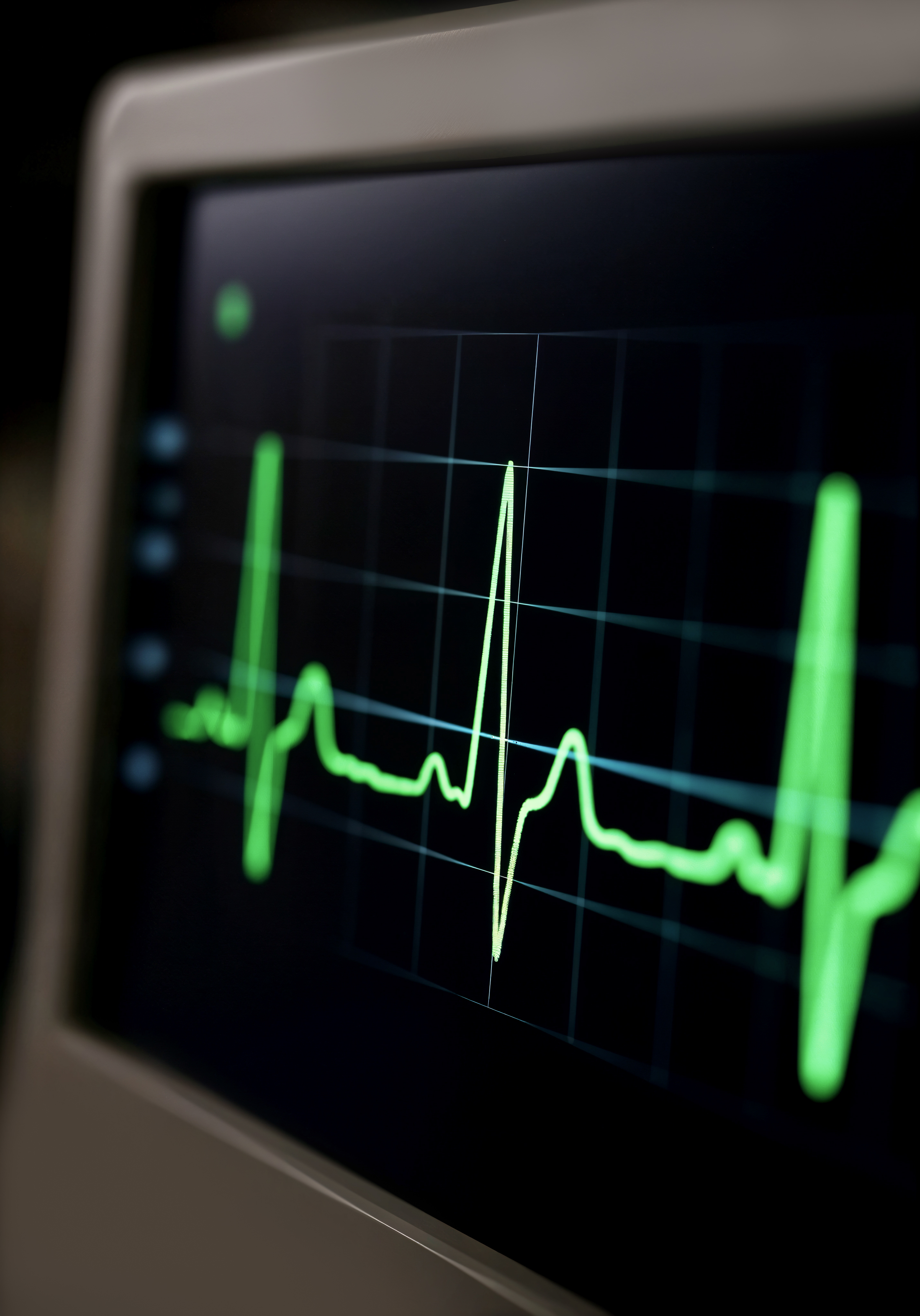
If a rhythm disorder is suspected, a Holter EKG (usually a 24-hour recording) allows a more complete assessment of the heart rhythm. You receive a small EKG device, which you typically wear on a belt for that period.
How is the examination performed?
In the practice, adhesive electrodes are placed on your chest and connected to a small, light recorder. The device records your heart rhythm continuously for 24 hours – for several days if needed. You wear it under your clothing and continue your usual daily routine. A brief diary of symptoms such as palpitations, dizziness or a racing heart, with the time, is helpful so that we can later match the symptoms to the EKG. You should not shower during the recording.
What can it show?
Many rhythm disorders occur only occasionally and are missed by a short resting EKG. Long-term recording increases the chance of capturing them while they occur:
- Atrial fibrillation and other rhythm disorders – including those that occur only intermittently
- Palpitations (extra beats) and how often they occur
- A racing heart or a heart rate that is too slow
- Pauses in the heartbeat that can explain, for example, dizziness or brief loss of consciousness
How accurate is the examination?
Because the Holter EKG records the heart rhythm over many hours in daily life, it captures more than a brief snapshot. If symptoms are rare, the recording can be extended over several days to increase the chance of catching the relevant event. Symptoms can then be linked to a specific rhythm disorder.
Benefits at a glance
- Records rhythm disorders that a resting EKG misses.
- Wearable in daily life – you remain mobile.
- Painless and without radiation.
- Links symptoms with the EKG using your symptom diary.