Diagnostics
Laboratory diagnostics
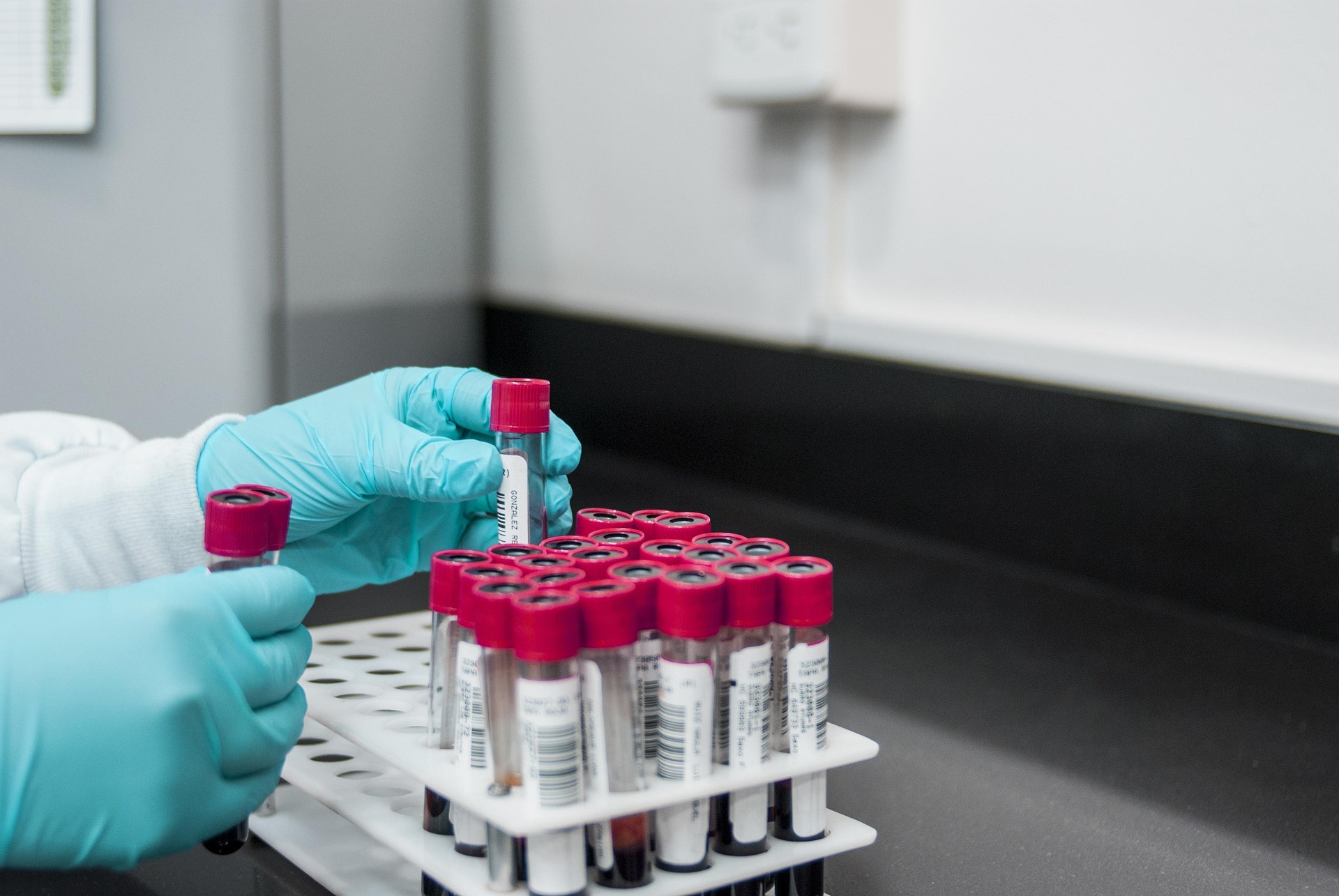
Blood tests are usually required to complete the diagnostic work-up. In selected cases urine, stool, puncture fluid and swabs are also examined.
How is the examination performed?
Most tests require only a small blood sample, usually from a vein in the elbow. It is briefly noticeable and takes a few minutes. Depending on the question, fasting may be required; we discuss this with you in advance. The samples are then analysed in a specialised laboratory to high quality standards. If needed, we also examine urine, stool, swabs or puncture fluid.
What can it show?
Laboratory diagnostics provides information on many diseases and risk factors:
- Cardiac markers – for example markers of cardiac strain or myocardial infarction
- Blood lipids such as cholesterol (LDL/HDL) and triglycerides as risk factors for vascular calcification
- Blood glucose and long-term glucose (HbA1c) to assess diabetes
- Kidney, liver and thyroid values
- Inflammation markers as well as a complete or basic blood count
- Minerals, vitamins and hormones
How accurate is the examination?
Modern laboratory analyses are precise, standardised and subject to strict quality control. Blood values complement the physical examination and technical diagnostics and often allow disease to be detected early – sometimes before symptoms appear. Dr. Hierl always interprets the values in the context of your individual situation.
Benefits at a glance
- Informative – many diseases can be recognised early.
- Quick and straightforward – usually only a brief blood sample is needed.
- High accuracy through standardised laboratory methods.
- Suitable for screening and for follow-up.