Expert tips
Heart failure: early signs and sensible next steps
Die Treppe in den zweiten Stock fällt schwerer als im Frühjahr, abends drücken die Socken Rillen in die Knöchel, nachts geht es zweimal zur Toilette. Typische Herzinsuffizienz Symptome beginnen oft so unscheinbar, dass man sie dem Alter oder einer stressigen Phase zuschreibt. Wer diese Zeichen früh einordnen lässt, gewinnt Zeit für Diagnostik und Behandlung.
Ich arbeite als Facharzt für Kardiologie und Innere Medizin. Die kardiologische Standarddiagnostik ist bei mir die Basis. Darauf baue ich einen ganzheitlichen Ansatz auf, der den Stoffwechsel der Herzmuskelzelle in den Blick nimmt: spezielle Laboruntersuchungen, funktionelle und orthomolekulare Medizin, mitochondriale Therapie und pflanzliche Arzneimittel wie Strophanthin und Weißdorn.
Was Herzinsuffizienz bedeutet
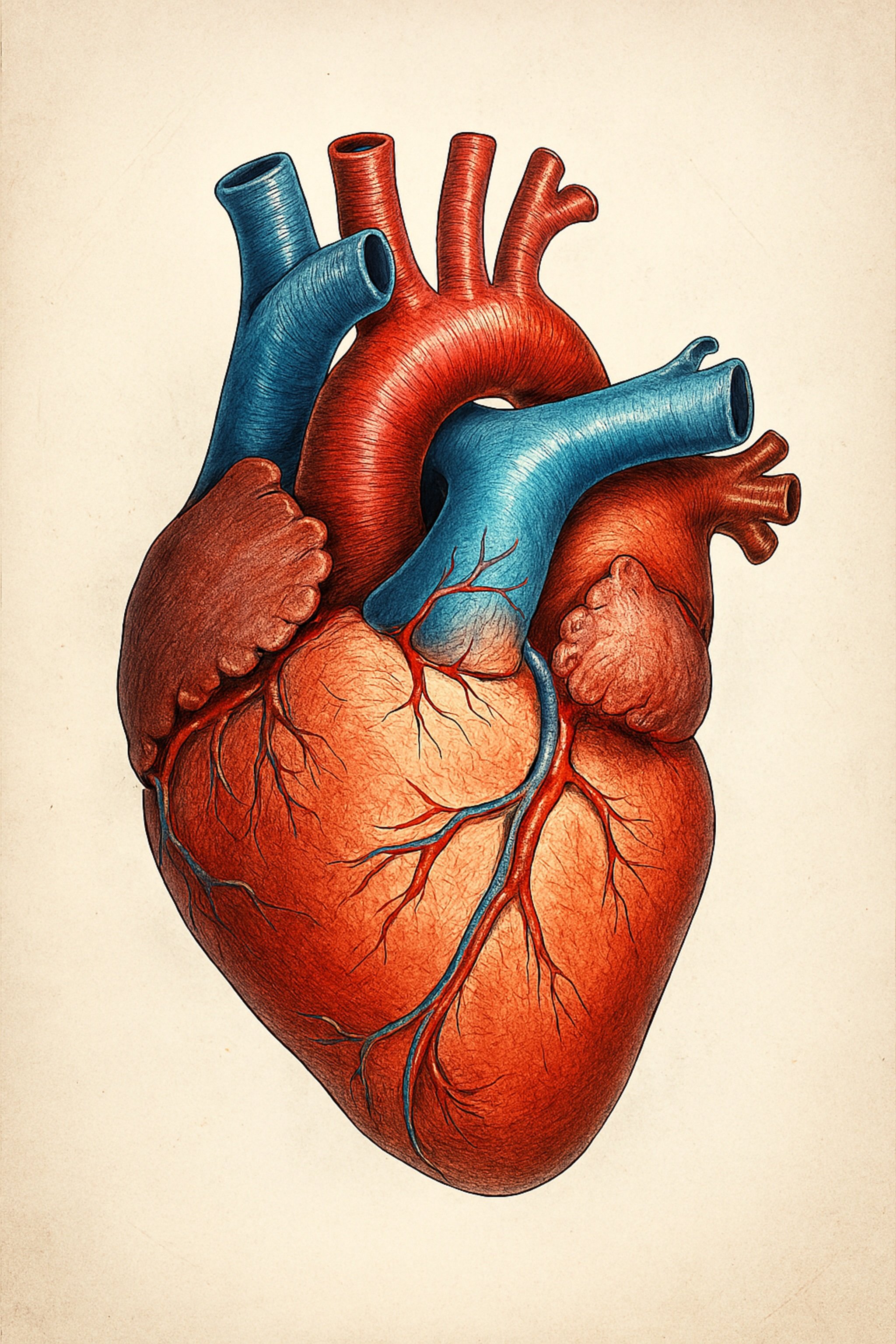
Herzinsuffizienz, im Alltag Herzschwäche genannt, heißt: Das Herz pumpt nicht so viel Blut, wie der Körper braucht, oder es füllt sich zwischen zwei Schlägen nicht ausreichend. Das Blut staut sich dann zurück, in die Lunge oder in Beine und Bauch. Meist ist die Herzschwäche Folge einer anderen Erkrankung, etwa eines lange erhöhten Blutdrucks, einer Durchblutungsstörung der Herzkranzgefäße, einer Klappenerkrankung oder einer Rhythmusstörung.
Frühe Zeichen
- Luftnot bei Belastung: Treppen oder Einkäufe bringen Sie schneller außer Atem als früher.
- Ödeme an den Beinen: Knöchel und Unterschenkel schwellen im Tagesverlauf an.
- Rasche Gewichtszunahme: mehr Gewicht innerhalb weniger Tage, meist durch eingelagertes Wasser.
- Nächtliches Wasserlassen: Sie müssen jetzt zwei- oder dreimal pro Nacht auf.
- Müdigkeit: Alltag und Sport kosten spürbar mehr Kraft.
- Luftnot im Liegen: Sie brauchen ein zusätzliches Kissen oder müssen sich nachts aufsetzen.
Jedes dieser Zeichen kann auch andere Ursachen haben, deshalb ist eine Abklärung sinnvoll.
Wann abklären, wann sofort 112
Vereinbaren Sie einen Termin, wenn:
- Luftnot bei Belastung neu ist oder über Wochen zunimmt,
- Schwellungen an beiden Beinen nicht nach einem Tag verschwinden,
- Ihr Gewicht ohne Erklärung in wenigen Tagen um mehr als zwei Kilogramm steigt,
- Bluthochdruck, Diabetes oder Vorhofflimmern bekannt sind und neue Beschwerden dazukommen.
Rufen Sie den Notruf 112 bei plötzlicher starker Luftnot in Ruhe, schaumigem oder rötlichem Auswurf, Brustschmerz über einige Minuten oder kurzer Bewusstlosigkeit. Das gehört in die Notaufnahme, nicht in die Sprechstunde.
Standarddiagnostik: die Basis
Am Anfang stehen Gespräch und körperliche Untersuchung. Es folgen Ruhe-EKG, Herzultraschall als zentrale Untersuchung der Pumpfunktion und Herzklappen, Labor mit dem Herzmarker NT-proBNP sowie Nieren-, Elektrolyt- und Schilddrüsenwerten und je nach Befund ein Belastungs-EKG. Wer sein Herz strukturiert prüfen lassen möchte, findet diese Bausteine gebündelt im Herz-Check. Erst mit diesen Befunden lässt sich sagen, ob eine Herzschwäche vorliegt und welche Ursache genau dahintersteht.
Mein ganzheitlicher Ansatz bei Herzschwäche
Die leitliniengerechte Behandlung der Herzschwäche ist gut etabliert, und ich setze sie mit individuell angepassten Dosierungen um. Viele meiner Patienten kommen aber mit einer zweiten Frage: Was kann ich zusätzlich für mein Herz tun? Hier setzt mein ganzheitlicher Schwerpunkt an.
Zell- und Energiestoffwechsel der Herzmuskelzelle
Herzmuskelzellen arbeiten ohne Pause und haben deshalb einen besonders hohen Energiebedarf. Diese Energie liefern die Mitochondrien, die Kraftwerke der Zelle. Dafür brauchen sie ausreichend Mikronährstoffe, und sie reagieren empfindlich auf Entzündung und oxidativen Stress. Hinweise auf eine gestörte Energieversorgung ergänzen die Standarddiagnostik.
Spezielle Labordiagnostik zur Nährstoffversorgung
Je nach Beschwerdebild und Vorbefunden prüfe ich, wie gut die Herzmuskelzellen versorgt sind. Dazu gehören:
- der Mikronährstoffstatus, also die Versorgung mit Vitaminen, Mineralstoffen und Spurenelementen,
- der Omega-3-Index,
- Homocystein, Q10, NAD+, Glutathion
- die Oxidationsbelastung und die antioxidative Kapazität,
- bei entsprechendem Verdacht Schwermetalle und Toxine.
Welche Werte sinnvoll sind, entscheide ich individuell. Die Ergebnisse bespreche ich mit Ihnen und leite daraus ab, ob und welche Therapie in Frage kommt.
Funktionelle und orthomolekulare Medizin
Die funktionelle Medizin fragt, welche Abläufe im Körper aus dem Gleichgewicht geraten sind, etwa Nährstoffversorgung, Entzündung oder Belastung durch Schadstoffe. Die orthomolekulare Medizin arbeitet mit Substanzen, die der Körper selbst kennt: Vitamine, Mineralstoffe, Spurenelemente und Fettsäuren. Auf Grundlage der Laborbefunde stelle ich orthomolekulare Therapiekonzepte zusammen, die ich einsetze, um die Herzmuskelzellen in ihrem Stoffwechsel zu unterstützen. Dosis und Dauer richten sich nach Ihren Werten und werden im Verlauf kontrolliert.
Mitochondriale Therapie
Ergeben sich Hinweise auf eine mitochondriale Funktionsstörung, kann eine mitochondriale Therapie in Betracht kommen. Sie umfasst die gezielte Versorgung mit Nährstoffen, die die Mitochondrien für ihre Arbeit brauchen. In meiner Praxis biete ich dazu außerdem IHHT (Mitochondrien-Training mit Intervall-Hypoxie-Hyperoxie-Therapie), die Magnesium-Hochdosis-Therapie und den Glutathion-Push an. Ob eines dieser Verfahren für Sie geeignet ist, kläre ich nach den Befunden.
Pflanzliche Arzneimittel: Strophanthin und Weißdorn
Strophanthin (aus Strophanthus) stimuliert die Natrium-Kalium-Pumpe der Herzmuskelzelle und stützt das Membranpotential, ohne den Sauerstoffverbrauch zu erhöhen. In der Praxis erwäge ich es bei Herzschwäche als ergänzende Behandlung. Ob es zu Ihnen passt und mit bestehenden Medikamenten kombinierbar ist, klären wir individuell. Mehr dazu auf der Seite zur Strophanthin-Therapie.
Weißdorn ist ein pflanzliches Arzneimittel mit langer Tradition in der Herzmedizin. Ich setze ihn bei geeigneten Patienten ergänzend ein und achte dabei auf Wechselwirkungen mit Ihren übrigen Medikamenten.
Wie das zur kardiologischen Therapie dazukommt
Alle diese Bausteine ergänzen die leitliniengerechte Behandlung der Herzschwäche. Setzen Sie verordnete Herzmedikamente bitte nie eigenständig ab, und besprechen Sie jede Änderung mit Ihrem behandelnden Arzt. Ich stimme den ganzheitlichen Teil auf Ihre bestehende Therapie ab und kontrolliere den Verlauf mit EKG, Herzultraschall und Labor.
Risikofaktoren und Selbstbeobachtung
Eine Herzschwäche entwickelt sich häufig aus Erkrankungen, die das Herz über Jahre belasten: Bluthochdruck, koronare Herzkrankheit, Diabetes, Übergewicht, Schlafapnoe, Klappenerkrankungen und Rhythmusstörungen wie Vorhofflimmern. Wie Sie Ihren Blutdruck richtig messen, beschreibe ich im Beitrag Bluthochdruck abklären. Zu Rhythmusstörungen finden Sie mehr unter Herzstolpern und Herzrasen abklären.
Zu Hause hilft vor allem die Waage: Wiegen Sie sich jeden Morgen nach dem ersten Toilettengang und vor dem Frühstück, und notieren Sie den Wert. Halten Sie in einem kurzen Protokoll fest, ab welcher Belastung Luftnot auftritt, ob die Beine abends geschwollen sind und wie oft Sie nachts aufstehen. Bringen Sie diese Notizen zum Termin mit.
Nächster Schritt
Wenn Sie frühe Zeichen einer Herzschwäche bemerken oder bei bekannter Herzinsuffizienz wissen möchten, was Sie ergänzend tun können, ist ein Gespräch in meiner Sprechstunde ein guter Anfang. Ich ordne Ihre Befunde ein, prüfe die Versorgung Ihrer Herzmuskelzellen und bespreche mit Ihnen, welche Bausteine für Sie in Frage kommen.
Termin: über Doctolib oder Kontakt.
Weitere Fachbeiträge: Expertentipps.
Dieser Beitrag dient der allgemeinen Information und ersetzt keine individuelle ärztliche Untersuchung und Beratung.